Introduction
Have you ever felt stuck in your career, watching colleagues get promoted while you wonder what you’re doing wrong? You’re not alone. According to a LinkedIn Workforce Report, 70% of professionals feel their careers have stalled at some point, yet only 23% have a documented plan for where they want to go.
The difference between professionals who advance and those who plateau often comes down to one powerful tool: a career development plan.
A well-crafted career development plan acts as your personal GPS for professional growth. It transforms vague aspirations like “I want to be successful” into concrete, actionable steps that move you toward your goals.
In this comprehensive guide, you’ll learn exactly how to create a career development plan that works in 2026’s rapidly evolving job market. We’ll cover step-by-step instructions, provide a free template, share real-world career development plan examples, and help you avoid common mistakes that derail professional growth.
What is a Career Development Plan?

Featured Snippet Definition:
A career development plan is a personalized roadmap that outlines your professional goals, the skills you need to develop, and the specific actions you’ll take to advance in your career. It typically includes your current assessment, short-term and long-term goals, skills gaps analysis, action steps with timelines, and measurable success metrics.
Think of a career development plan like a business plan—but for your professional life. Just as a business wouldn’t operate without a strategy, your career shouldn’t either.
Key Components of a Career Development Plan
A comprehensive professional development plan includes:
- Current situation assessment — Where you are now
- Career vision — Where you want to be
- Goals — Specific milestones along the way
- Skills gaps — What you need to learn
- Action steps — How you’ll get there
- Timeline — When you’ll achieve each goal
- Resources — What support you need
- Success metrics — How you’ll measure progress
Career Development Plan vs. Performance Review
Many professionals confuse their career development plan with their annual performance review, but they serve very different purposes.
| Career Development Plan | Performance Review |
|---|---|
| Self-directed and owned by you | Company-driven, owned by employer |
| Focused on long-term growth | Focused on past performance |
| Covers your entire career trajectory | Covers typically one year |
| Proactive and forward-looking | Reactive and backward-looking |
An individual development plan (IDP) that your employer might provide is related but different—it focuses on skills needed for your current role, while your personal career development plan encompasses your entire professional journey.
Here’s a compelling statistic: Professionals who write down their goals are 42% more likely to achieve them than those who don’t. A career development plan takes this one step further by creating a systematic approach to making those goals reality.
Why You Need a Career Development Plan in 2026
The professional landscape in 2026 looks dramatically different from even five years ago. Remote work, AI disruption, and economic uncertainty have fundamentally changed how careers progress. Here’s why having a career growth plan is more critical than ever.
The 2026 Job Market Reality
- AI and automation are reshaping roles across every industry
- Skills-based hiring is replacing traditional credential-focused recruiting
- Remote and hybrid work have created new opportunities—and new competition
- Career changes are becoming more frequent (the average person now changes careers 5-7 times)
- Economic volatility makes proactive planning essential for job security
Benefits of a Strategic Career Development Plan
- Clarity and direction — You’ll know exactly what you’re working toward, eliminating the anxiety of career drift
- Faster advancement — Strategic planning accelerates your career trajectory by focusing your energy on high-impact activities
- Resilience — A solid plan helps you navigate layoffs, industry changes, and economic downturns
- Confidence — Knowing you have a roadmap reduces stress and increases job satisfaction
- Leverage — You’ll be better prepared for salary negotiations and new opportunities
Professionals with documented career advancement strategies consistently outperform those who take a “wait and see” approach to their careers. Your future self will thank you for the investment you make today.
How to Create a Career Development Plan: 5 Essential Steps

Ready to build your roadmap to success? Here’s exactly how to create a career development plan that will guide your professional growth. Follow these five essential steps to create a plan that actually works.
Step 1: Assess Your Current Position
Before plotting your destination, you need to know exactly where you stand. A thorough self-assessment is the foundation of any effective skills development plan.
Questions to Ask Yourself
- What are my strongest skills and workplace competencies?
- Where do I consistently receive positive feedback?
- What tasks energize me versus drain me?
- What accomplishments am I most proud of?
- What skills do I lack that hold me back?
Self-Assessment Tools
Consider using these methods for an objective view:
- StrengthsFinder 2.0 — Identifies your top five talents
- Myers-Briggs Type Indicator (MBTI) — Reveals work style preferences
- 360-degree feedback — Gather input from colleagues, managers, and direct reports
- Skills inventory — List every skill you’ve developed, rating yourself on each
Action Item: Create a three-column document listing your strengths, weaknesses, and opportunities. Be brutally honest—this assessment is for your eyes only.
Pro Tip: Ask trusted colleagues for candid feedback. We often have blind spots about our own abilities, both positive and negative.
Step 2: Define Your Career Goals
With a clear picture of where you are, it’s time to define where you want to go. Strong career goals examples share common characteristics: they’re specific, measurable, achievable, relevant, and time-bound (SMART).
Short-Term Goals (1-2 Years)
These are your immediate priorities that build momentum:
- Complete a specific certification or training program
- Take on a stretch project or new responsibility
- Build expertise in a particular skill area
- Expand your professional network in your target field
- Achieve a specific performance milestone
Long-Term Goals (3-5 Years)
These represent your bigger vision for professional career objectives:
- Reach a specific role or title
- Transition to a new industry or function
- Start your own business or consultancy
- Achieve a particular income level
- Develop recognized expertise in your field
Career Goals Examples by Career Stage
Entry-Level Professional:
- Short-term: Complete industry certification, build foundational skills
- Long-term: Advance to senior individual contributor or first management role
Mid-Career Professional:
- Short-term: Lead a major project, develop leadership skills
- Long-term: Move into director-level role or pivot to adjacent field
Senior Professional:
- Short-term: Develop strategic vision, mentor emerging leaders
- Long-term: Executive leadership position or board roles
Remember: Your goals should excite you. If they don’t create a little nervous energy, they might not be ambitious enough.
Step 3: Identify Skills Gaps
Now comes the analytical work: comparing where you are (Step 1) with where you want to go (Step 2). The gap between these two points reveals exactly what you need to develop through your upskilling career plan.
Framework for Gap Analysis
Create a simple matrix:
| Required Skill | Current Level (1-5) | Target Level | Gap | Priority |
|---|---|---|---|---|
| Data Analysis | 2 | 4 | 2 | High |
| Leadership | 3 | 5 | 2 | High |
| Public Speaking | 2 | 4 | 2 | Medium |
| Strategic Planning | 1 | 4 | 3 | High |
High-Demand Skills for 2026
Based on industry trends and hiring patterns, prioritize developing workplace competencies in:
- AI literacy — Understanding how to work alongside AI tools
- Data analysis — Interpreting and acting on data
- Adaptability — Thriving in changing environments
- Cross-functional collaboration — Working effectively across teams
- Digital communication — Excelling in remote/hybrid environments
If you’re considering a career transition to a new field, conduct informational interviews with professionals in that area to understand what skills matter most.
Action Item: Identify your top three skill gaps that will have the biggest impact on reaching your goals. These become your development priorities.
Step 4: Create Your Action Plan
This is where your career development plan becomes actionable. For each skill gap and goal, you’ll create specific steps with deadlines. These are your career advancement strategies in concrete form.
Tactics for Professional Growth
Training and Certifications:
- Online courses (Coursera, LinkedIn Learning, Udemy)
- Professional certifications relevant to your field
- Workshops and seminars
- Graduate programs or specialized degrees
Mentorship Programs:
- Formal company mentorship programs
- Industry mentorship networks
- Reverse mentoring opportunities
- Peer mentoring groups
Career Coaching:
- Executive coaching for senior professionals
- Career transition coaching
- Skills-specific coaching
- Group coaching programs
Professional Networking:
- Industry conferences and events
- Professional associations
- LinkedIn engagement and content creation
- Informational interviews
On-the-Job Development:
- Stretch assignments and special projects
- Cross-functional rotations
- Leading initiatives outside your core role
- Shadowing senior leaders
Sample Action Plan
| Goal | Action Step | Resources | Deadline | Success Metric |
|---|---|---|---|---|
| Develop leadership skills | Complete leadership development program | Company training + $500 budget | Q2 2026 | Program completion + feedback |
| Build analytics expertise | Complete Data Analytics certification | LinkedIn Learning + practice projects | Q3 2026 | Certification earned |
| Expand network | Attend 2 industry conferences | Travel budget + registration | Q4 2026 | 20 new connections made |
Timeline Considerations:
- Be realistic about what you can accomplish alongside your current responsibilities
- Build in buffer time—things always take longer than expected
- Schedule regular milestone reviews (quarterly works well)
- Celebrate achievements along the way
Step 5: Review and Adjust Regularly
A career development plan is a living document, not something you create once and file away. Regular reviews ensure your plan stays relevant as circumstances change.
Quarterly Review Process
- Assess progress — What have you accomplished? What fell behind?
- Evaluate goals — Are your goals still relevant? Do they need adjustment?
- Identify obstacles — What’s blocking your progress?
- Adjust timeline — Revise deadlines based on reality
- Update action items — Add new steps, remove completed ones
Adapting to Changing Circumstances
Your career pathing should remain flexible enough to accommodate:
- New opportunities that emerge
- Industry or company changes
- Personal life changes
- Economic shifts
- New interests or passions discovered
Professional networking is invaluable for staying informed about market trends and opportunities that might require plan adjustments.
Set performance goals for each quarter, and use your review sessions to honestly assess whether you’re on track. If not, diagnose why and course-correct.
Free Career Development Plan Template
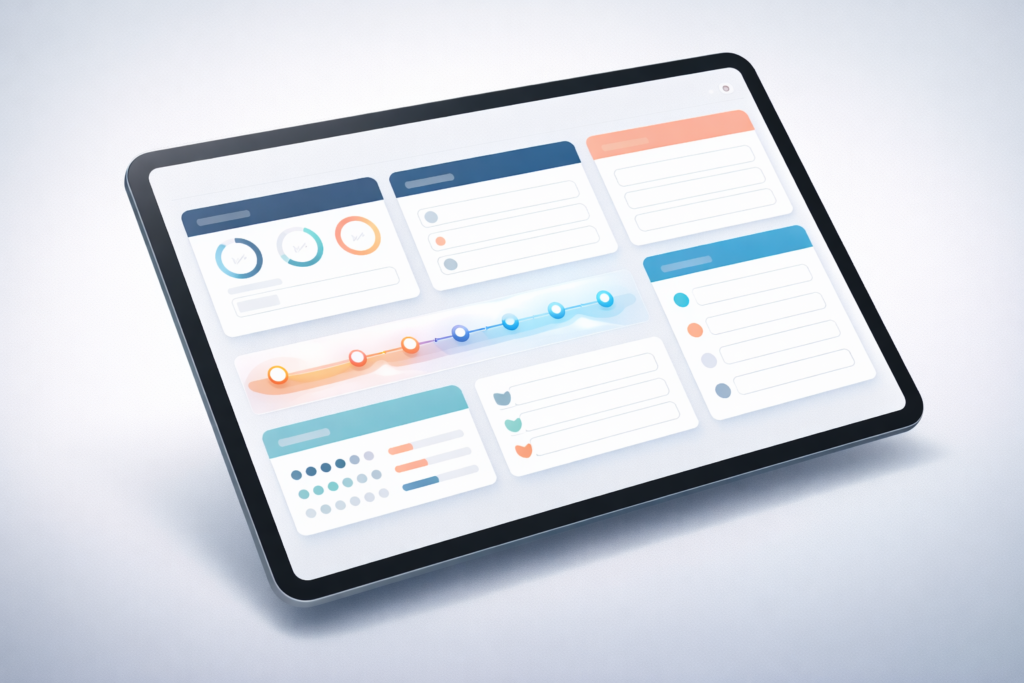
Here’s a career development plan template you can use to structure your own professional roadmap. This template incorporates all the elements we’ve discussed and can be adapted for any career stage.
Career Development Plan Template
SECTION 1: CURRENT SITUATION
Name: _____________________
Current Role: _____________________
Date Created: _____________________
Review Date (Quarterly): _____________________
Current Skills & Strengths:
- _____________________
- _____________________
- _____________________
- _____________________
- _____________________
Areas for Development:
- _____________________
- _____________________
- _____________________
SECTION 2: CAREER VISION
Where do I want to be in 5 years?
What does success look like?
What impact do I want to make?
SECTION 3: GOALS
1-Year Goals:
- _____________________
- _____________________
- _____________________
3-Year Goals:
- _____________________
- _____________________
5-Year Goals:
- _____________________
- _____________________
SECTION 4: SKILLS TO DEVELOP
| Skill | Current Level (1-5) | Target Level | Priority |
|---|---|---|---|
SECTION 5: ACTION PLAN
| Action Step | Timeline | Resources Needed | Success Metric |
|---|---|---|---|
SECTION 6: SUPPORT & RESOURCES
Mentor(s): _____________________
Professional Networks: _____________________
Training Budget: _____________________
Manager Support Needed: _____________________
SECTION 7: QUARTERLY REVIEW NOTES
Q1 Review: _____________________
Q2 Review: _____________________
Q3 Review: _____________________
Q4 Review: _____________________
This employee development plan template works whether you’re creating your personal plan or collaborating with your manager on a company-supported version.
Career Development Plan Examples for Different Career Stages
Sometimes seeing real-world career development plan examples makes the concept click. Here are detailed examples for three different career stages.
Example 1: Entry-Level Professional
Profile: Sarah, 24, Marketing Coordinator, 2 years post-graduation
Current Situation:
- Strong writing and social media skills
- Limited analytics experience
- No management experience
- Working at mid-size tech company
1-Year Goals:
- Complete Google Analytics certification
- Lead one campaign independently
- Build expertise in marketing automation
3-Year Goals:
- Promotion to Marketing Manager
- Manage at least one direct report
- Develop expertise in B2B marketing
Skills to Develop:
- Data analysis and reporting
- Marketing automation platforms
- Budget management
- Team leadership
Action Plan:
| Action | Timeline | Metric |
|---|---|---|
| Complete Google Analytics cert | Q1 2026 | Certification earned |
| Volunteer for analytics projects | Ongoing | 3 projects completed |
| Join marketing association | Q1 2026 | Active member |
| Find a mentor in leadership | Q2 2026 | Monthly meetings scheduled |
| Propose and lead Q3 campaign | Q3 2026 | Campaign executed |
This entry level career development plan focuses on building foundational skills while positioning Sarah for advancement.
Example 2: Mid-Career Professional
Profile: Marcus, 38, Senior Software Engineer, 12 years experience
Current Situation:
- Deep technical expertise in cloud architecture
- Informal team leadership experience
- Interest in moving to engineering management
- Strong individual contributor track record
1-Year Goals:
- Complete leadership development program
- Mentor two junior developers
- Lead a major technical initiative
3-Year Goals:
- Transition to Engineering Manager role
- Build and manage a team of 5-8 engineers
- Develop reputation as technical leader
5-Year Goals:
- Director of Engineering position
- Influence technical strategy at organizational level
Skills to Develop:
- People management and coaching
- Strategic planning
- Cross-functional collaboration
- Executive communication
Action Plan:
| Action | Timeline | Metric |
|---|---|---|
| Have career conversation with manager | January 2026 | Clear path identified |
| Begin mentoring junior engineers | Q1 2026 | Two mentees assigned |
| Complete leadership development program | Q2 2026 | Program graduation |
| Lead hiring process for team | Q3 2026 | 2 successful hires |
| Shadow current manager | Ongoing | Weekly shadowing sessions |
This mid-career development plan focuses on the career ladder progression from individual contributor to people leader.

Example 3: Manager Moving to Leadership
Profile: Jennifer, 45, Marketing Director, 8 direct reports
Current Situation:
- Proven functional leadership
- Strong results in current role
- Limited cross-functional influence
- Aspires to VP or CMO track
1-Year Goals:
- Build relationships with peer directors
- Lead a cross-functional strategic initiative
- Develop expertise in emerging marketing channels
3-Year Goals:
- VP of Marketing position
- Responsibility for P&L ownership
- Board or advisory experience
5-Year Goals:
- CMO at growth-stage company
- Recognized industry thought leader
Skills to Develop:
- Executive presence
- Financial acumen
- Board-level communication
- Industry influence building
Action Plan:
| Action | Timeline | Metric |
|---|---|---|
| Engage executive coach | Q1 2026 | Monthly sessions |
| Join industry advisory board | Q2 2026 | Active participation |
| Lead company-wide initiative | 2026 | Successful completion |
| Build executive peer network | Ongoing | 10 VP+ relationships |
| Publish thought leadership | Quarterly | 4 articles in 2026 |
This manager career development plan emphasizes leadership development and building the executive presence needed for senior roles. It also addresses succession planning by developing the team beneath her.
Tailoring Your Career Development Plan by Industry
While the framework remains the same, each industry has unique considerations for career advancement. Here’s how to tailor your plan for different fields.
Tech Career Development Plan
The technology industry moves fast, making continuous learning non-negotiable. Focus on:
- Emerging technologies — AI, machine learning, cloud computing
- Programming languages — Stay current with in-demand languages
- Certifications — AWS, Google Cloud, Azure, security certifications
- Open source contribution — Build visible expertise
- Technical leadership — Balance technical depth with leadership skills
2026 Trend: AI literacy is becoming essential even for non-technical roles in tech companies.
Healthcare Career Development Plan
Healthcare emphasizes credentialing and specialization. Prioritize:
- Advanced certifications — Specialty certifications, advanced practice
- Continuing education — Required for license maintenance
- Research and publication — Academic credibility building
- Administrative skills — Healthcare management expertise
- Technology adoption — Telehealth, EHR systems mastery
2026 Trend: Telehealth experience is increasingly valued as hybrid care models expand.
Finance Career Development Plan
Finance rewards credentials and relationship-building. Focus on:
- Professional certifications — CFA, CPA, CFP designations
- Technical skills — Financial modeling, data analysis, fintech
- Regulatory knowledge — Staying current with compliance
- Client relationship management — Business development skills
- Leadership progression — VP and partner tracks
2026 Trend: ESG (Environmental, Social, Governance) expertise is increasingly valuable.
Marketing Career Development Plan
Marketing continually evolves with technology and consumer behavior. Develop:
- Data and analytics — Marketing attribution, ROI measurement
- Technology platforms — Marketing automation, CRM systems
- Content strategy — Brand building, thought leadership
- Digital advertising — Performance marketing, programmatic
- Leadership skills — Agency or in-house team management
2026 Trend: AI-powered marketing tools require new skill sets for optimization and oversight.
5 Common Career Development Plan Mistakes to Avoid
Even with the best intentions, many professionals make mistakes that undermine their professional development plan. Here’s what to avoid:
1. Setting Vague or Unrealistic Goals
The Mistake: Goals like “become more successful” or “get promoted” lack specificity and measurability.
The Fix: Make every goal SMART—Specific, Measurable, Achievable, Relevant, and Time-bound. “Become Marketing Manager by Q4 2027” is actionable; “get a better job” is not.
2. Failing to Document Your Plan
The Mistake: Keeping your career development plan “in your head” where it can shift, fade, or be forgotten.
The Fix: Write it down. Use the template provided. Review it regularly. Written plans are 42% more likely to be achieved.
3. Creating a Plan and Never Revisiting It
The Mistake: Investing time creating a career growth plan, then filing it away and forgetting about it.
The Fix: Schedule quarterly reviews. Put them on your calendar. Treat them as non-negotiable appointments with your future self.
4. Going It Alone
The Mistake: Treating career development as a solo activity without seeking input, support, or accountability.
The Fix: Share your goals with mentors, managers, or trusted colleagues. Consider a career coach. Join professional communities. Accountability dramatically increases success rates.
5. Ignoring Soft Skills Development
The Mistake: Focusing exclusively on technical skills while neglecting communication, leadership, and emotional intelligence.
The Fix: Balance technical development with interpersonal skills. These “soft” skills are often what separates good performers from great leaders.
Tips for Career Development Plan Success
Ready to maximize your results? Here are proven strategies to ensure your career advancement strategies actually work.
Actionable Tips for Professional Growth
- Start with your “why” — Connect your goals to deeper purpose and values. Goals with meaning have more staying power.
- Find an accountability partner — Share your plan with someone who will check in on your progress and hold you to your commitments.
- Track progress visibly — Use a habit tracker, spreadsheet, or project management tool to monitor your advancement.
- Invest in mentorship programs — Mentors accelerate learning and open doors. Seek multiple mentors for different aspects of development.
- Build your professional network intentionally — Network before you need it. Build relationships with people in roles you aspire to.
- Celebrate milestones — Acknowledge achievements along the way. Career development is a marathon, not a sprint.
- Make it a habit — Dedicate time weekly for career development activities. Even 30 minutes makes a difference over time.
- Embrace feedback — Actively seek input on your performance and use it to refine your plan.
Remember: Consistent small actions compound into significant career growth. A professional growth strategy works through steady progress, not dramatic leaps.
Career Development Planning for Unique Situations
Not everyone’s career journey follows a traditional path. Here’s guidance for navigating special circumstances.
Career Development Plan for Remote Workers
Remote work creates unique challenges for career visibility and advancement. Prioritize:
- Over-communicate your accomplishments and progress to leadership
- Invest in relationship building through virtual coffee chats and video calls
- Create visibility by volunteering for high-profile projects
- Document contributions meticulously for performance conversations
- Build skills specific to remote collaboration and leadership
The key for remote professionals is being proactive about visibility since informal interactions are limited.
Career Development Plan After Layoff
A layoff can actually be a catalyst for positive change. Use this time to:
- Conduct a thorough skills assessment without the pressure of a current job
- Identify patterns in what you enjoyed and excelled at
- Consider pivots you might not have considered while employed
- Invest heavily in upskilling during your transition period
- Expand your network strategically in target industries or companies
Many professionals look back on layoffs as turning points that led to better opportunities.
Career Pivot Plan for Mid-Level Professionals
Changing careers mid-stream requires strategic planning. Focus on:
- Transferable skills that apply to your target field
- Bridge roles that combine current and desired expertise
- Quick-win credentials that demonstrate commitment to the new field
- Networking in your target industry through associations and events
- Personal branding that positions you for the transition
A successful career transition typically takes 6-18 months of dedicated effort.
Career Development During Economic Uncertainty
When the economy is volatile, career planning becomes even more important:
- Diversify your skills to increase flexibility
- Build financial runway to enable career decisions from strength, not desperation
- Strengthen your network before you need it
- Focus on recession-resistant skills and industries
- Document accomplishments rigorously in case you need to job search
Uncertainty rewards those who have prepared in advance.
Frequently Asked Questions About Career Development Plans
How often should I update my career development plan?
Review and update your career development plan quarterly at minimum. This ensures your goals remain relevant and your action items stay current. Major life or work changes warrant an immediate review. Career pathing is an ongoing process, not a one-time activity. Mark quarterly review dates on your calendar when you create your plan.
What’s the difference between a career development plan and a performance review?
A career development plan is self-directed and focused on your long-term career trajectory across roles and potentially employers. A performance review is company-driven and evaluates your past performance in your current role. Your career development plan is owned by you; your performance review is owned by your employer. Both are valuable, but serve different purposes.
Can I create a career development plan if I’m planning to change careers?
Absolutely—a career development plan is especially valuable during a career transition. Your plan should focus on identifying transferable skills, building bridge credentials, networking in your target field, and creating a realistic timeline for the transition. Document the gaps between your current skills and those required in your new field, then create action steps to close those gaps.
How do I discuss my career development plan with my manager?
Frame the conversation around how your development benefits the team and organization. Share your goals and ask for their input and support. Discuss specific growth opportunities they can provide—stretch assignments, mentorship connections, or training budget. Many managers appreciate employees who take ownership of their development. Align your employee development plan with organizational priorities when possible.
What if my company doesn’t support career development planning?
Even without company support, you can create and execute your own professional development plan. Focus on external resources—online courses, professional associations, mentors outside your company, and networking events. Document your own accomplishments and development. If your company truly doesn’t value employee growth, that information is valuable for your longer-term career decisions.
How long should my career development plan be?
Your plan should cover at least 3-5 years of career trajectory, with detailed action plans for the next 12 months. Keep the document concise—one to three pages is sufficient. The value is in clarity and actionability, not length. Use the template provided in this guide as a starting framework.
What if I don’t know what career I want?
It’s okay not to have a perfect vision. Start with exploration: conduct informational interviews, try different projects, take assessments to understand your strengths and interests. Your initial career development plan can focus on exploration and discovery rather than a specific destination. As clarity emerges, refine your goals.
Conclusion: Start Your Career Development Journey Today
Creating a career development plan isn’t just a nice-to-have—it’s essential for professional success in 2026’s dynamic job market. Whether you’re just starting your career, navigating a transition, or aiming for executive leadership, a strategic plan transforms hope into action.
Key Takeaways
- Assess honestly where you are today—your strengths, weaknesses, and opportunities
- Define specific goals for 1, 3, and 5 years out
- Identify skill gaps and create concrete action plans to close them
- Review quarterly and adjust your career development plan as needed
- Seek support through mentors, networks, and accountability partners
The professionals who thrive aren’t necessarily the most talented—they’re the ones who take intentional, strategic action toward their goals.
Your future career is too important to leave to chance. Start creating your career development plan today. Use the template and examples provided, take that first step, and begin building the career you’ve envisioned.
The best time to plant a tree was 20 years ago. The second best time is now. The same applies to your career development plan.
Ready to take the next step? Join our newsletter for weekly career advancement tips, industry insights, and exclusive resources to accelerate your professional growth.
Recommendations article
- Best Personal Finance Books for Beginners 2026
- Wealth Management Services for High-Net-Worth Families Around the World
- 11 Realistic Online Earning Ideas for Beginners in 2026 (Zero Investment Required)
Sources: LinkedIn Workforce Report, Forbes, Bureau of Labor Statistics

Founder of Jobzhandle.com | Career Strategist & Personal Finance Enthusiast. I help professionals grow their skills, manage their money wisely, and explore new income opportunities. My goal is to turn career and financial goals into reality with simple, proven tips.
1 thought on “How to Create a Career Development Plan: Complete Guide + Template (2026)”